Politics is rewriting the risk map: EU climate rules hit a wall, U.S. equities finally leak money, Venezuela’s quake turns into a sovereign stress test, Trump’s Qatar jet invites a sanctions-grade optics problem, and drones keep pushing war risk into Russia’s interior.
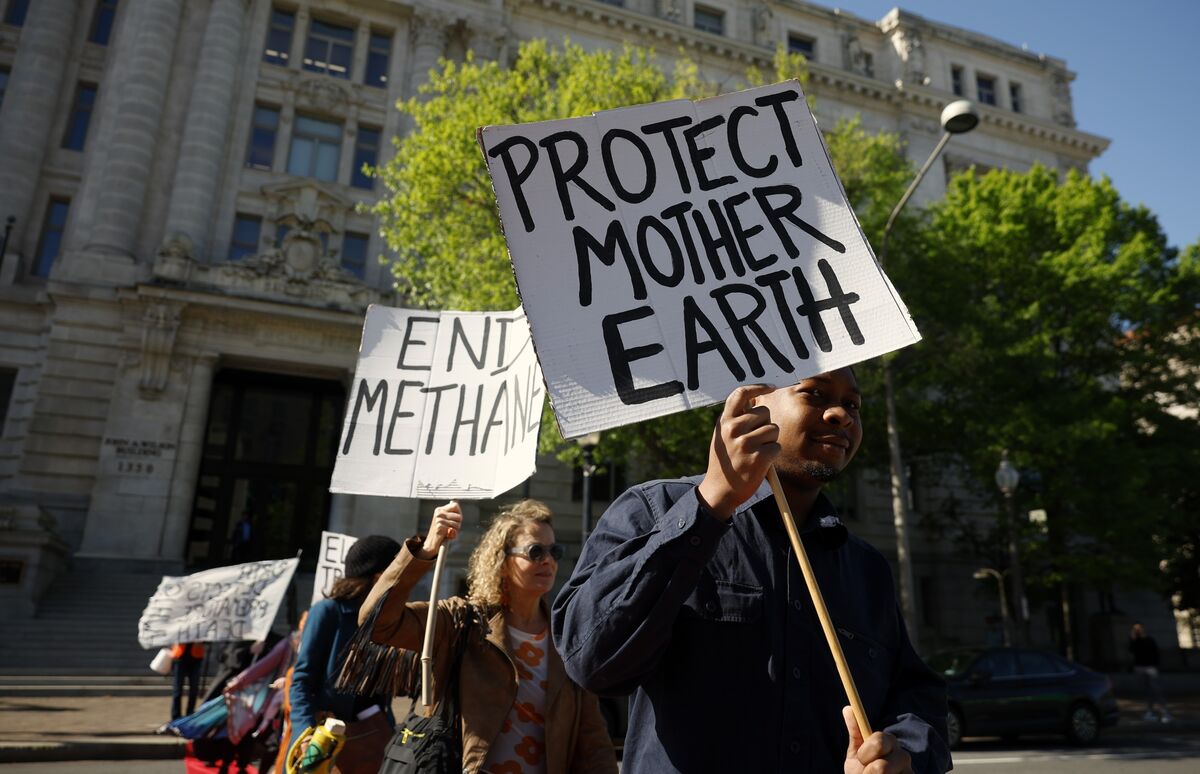
Image via Bloomberg
Germany Blinks on EU Methane Rules — Energy Lobby Wins a Round
Germany is joining the pushback against the EU’s methane rules, and that’s not a footnote — that’s the keystone country signaling “we can’t afford this right now.” When Berlin softens, Brussels’ enforcement teeth get shorter. The EU energy commissioner can vow to fight, but the math is simple: if the industrial base is whining loudly enough, timelines slip and exemptions multiply.
For markets, methane rules aren’t just a climate story. They’re a cost-of-capital story for European utilities, LNG importers, pipeline operators, and heavy industry. Compliance means monitoring tech, retrofits, reporting, and potentially constrained supply — which feeds directly into European gas pricing volatility and the region’s competitiveness premium versus the U.S.
📈 Fred's Take: This is Europe quietly choosing growth optics over climate purity. Near-term, it’s mildly bullish for EU industrials and midstream names because it reduces compliance shock, but it’s also bullish volatility in European energy because policy uncertainty never dies — it just gets repriced. If you’re long European cyclicals, you want delay; if you’re long EU “green certainty,” you’re paying for a narrative that keeps getting renegotiated.
📎 Bloomberg
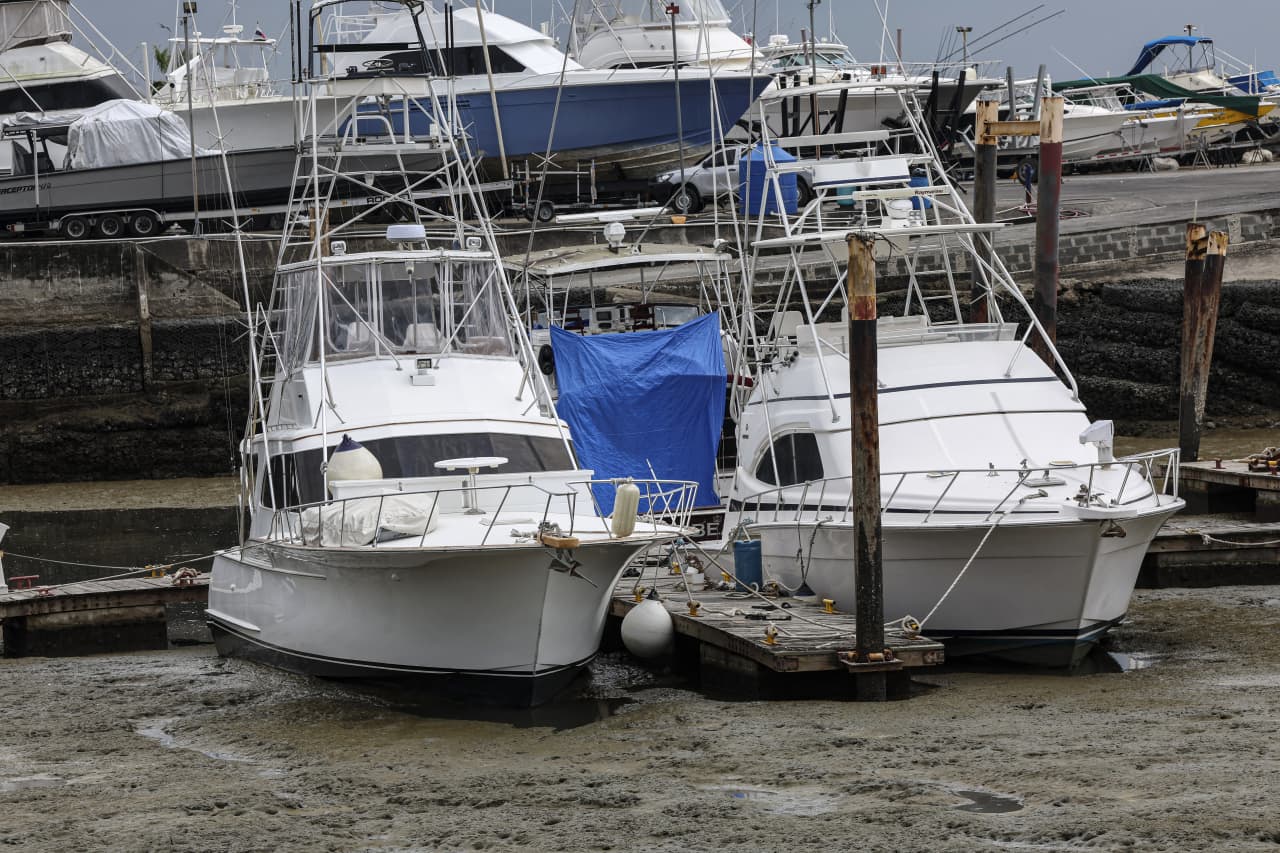
Image via MarketWatch
First U.S. Equity Outflow Since March — That’s How Risk-Off Summers Start
U.S. stocks just saw their first fund outflow since March. One week doesn’t make a trend, but flow data is how you spot the turn before the headlines catch up. After months of “buy the dip” muscle memory, investors are finally taking chips off the table — and that’s usually the opening bell for thinner liquidity and fatter downside tails.
MarketWatch flags a potential rotation away from tech toward election-adjacent sectors. That’s real: as midterms approach, cash tends to sniff out beneficiaries of fiscal steering, regulation, defense, energy policy, and “domestic resilience” spending. The bigger tell, though, is that the marginal buyer is getting choosy — and choosy buyers don’t chase multiple expansion.
📈 Fred's Take: Respect the first crack in the dam. If flows keep bleeding, the trade is higher quality, shorter duration, and more cash-like optionality: think value/defensives, selective energy, and less unhedged mega-cap beta. Summer markets punish complacency — and the fastest drawdowns happen when everyone assumes there won’t be one.
📎 MarketWatch
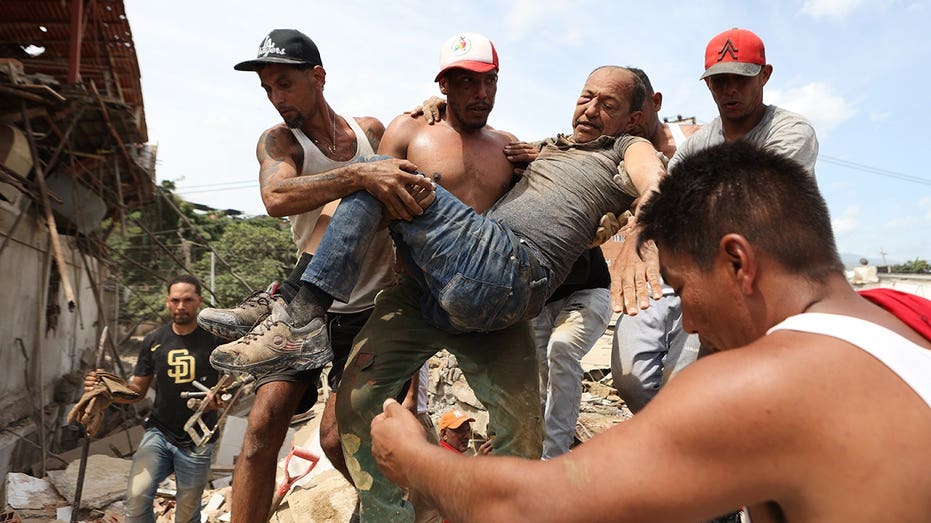
Image via Fox News
Venezuela Quake Death Toll Jumps — Human Disaster, Fiscal Disaster Next
Venezuela’s earthquakes have pushed the death toll to at least 589, with thousands reported missing and nearly 3,000 injured. The U.S. is on the ground coordinating relief, which tells you the scale is overwhelming local capacity. This is a catastrophe layered on top of an already fragile state balance sheet.
Disasters in countries with weak institutions don’t stay “local.” They mutate into funding crises, migration pressures, and opportunistic politics. Reconstruction needs hard currency. Venezuela doesn’t have much, and oil infrastructure is the only lever with global relevance — which means any damage, disruption, or politicization of output shows up fast in crude spreads and Latin America risk pricing.
📈 Fred's Take: The trade isn’t “buy oil” on headlines — it’s watch for supply slippage, logistics bottlenecks, and sanction-related waivers framed as “humanitarian.” If Washington relaxes anything to move aid or stabilize output, energy equities catch a bid and credit markets reprice Venezuela-adjacent risk. Tragedy first, but markets will price the second-order effects within days.
📎 Fox News

Image via The Hill
Trump Flies the Qatar-Gifted Air Force One — Optics Risk Becomes Policy Risk
President Trump’s trip to North Dakota next week will be the first ride on the new Qatar-gifted Air Force One, per the White House. That’s not just a plane story — it’s a governance and influence story stamped in 40-foot letters. “Gifted” and “Qatar” in the same sentence is a political accelerant in an election year.
Expect a fast follow: investigations, ethics fights, and retaliatory narratives from both parties. That matters for markets because it can spill into foreign policy posture in the Gulf, arms sales chatter, and the tone around LNG, defense contracting, and sovereign wealth flows. When the plane becomes the symbol, the policy bandwidth gets hijacked.
📈 Fred's Take: This is self-inflicted volatility. Defense and aerospace hate optics-driven scrutiny because it delays procurement decisions and drags contractors into Washington theater. If this turns into a prolonged ethics brawl, it’s a modest headwind to the sector’s multiple — not fundamentals, just headline discount.
📎 The Hill

Image via Associated Press
Russia Hit by One of the Biggest Ukrainian Drone Barrages — War Premium Moves Inland
Russia is reporting one of the biggest Ukrainian drone attacks on its territory and annexed Crimea. The key shift isn’t the drone count — it’s the psychological and logistical footprint. When attacks reach deeper and more frequently, Russia has to spend more on internal air defense, reroute assets, and harden infrastructure that was previously “safe.”
That changes the market map: insurance costs, shipping risk perceptions, and energy infrastructure risk all creep higher. Even when crude supply doesn’t immediately break, the option value of disruption rises — and that shows up in implied volatility, refined product cracks, and defense procurement curves across Europe.
📈 Fred's Take: The war premium is no longer only a border story; it’s a depth story. That’s supportive for defense equities and tactically supportive for energy volatility trades, even if spot oil doesn’t spike today. If you’re running risk, assume more “surprise” weekends and more Monday gap risk — and hedge accordingly.
📎 Associated Press
Fred Frost — I don’t need a crystal ball. I watch flows, policy, and where the risk is migrating before the index does.
— Fred Frost


No comments:
Post a Comment