Friday tape is all macro: labor cracks, trade policy tightens, semis wobble, and food prices climb. Politics is still markets — just with better costumes.

Image via NBC News
Ogles Loses In Tennessee: The GOP Primary Machine Keeps Eating Its Own
Rep. Andy Ogles just got bounced in his Republican primary in Tennessee, losing to a former state official. Another incumbent goes down in a cycle that’s turned into a running audit of loyalty, fundraising, and local ground game.
For markets, this isn’t about one seat. It’s about a caucus that keeps rotating personnel, which raises the odds of messy process risk in the House: stop-start budgeting, higher chance of tactical shutdown threats, and less predictable coalition math on anything that touches taxes, spending, or oversight.
If you’re trying to handicap fiscal policy into year-end, this is more noise than signal — but it’s the kind of noise that widens the distribution of outcomes. The median outcome is still gridlock. The tail is a self-inflicted funding fight that pops front-end volatility.
📈 Fred's Take: The trade is procedural risk, not ideology. More turnover means fewer members with institutional memory and more members incentivized to perform on TV — that’s how you get deadline drama and headline-driven rate spikes. If you’re long duration, you should assume Congress will eventually rediscover chaos right when the Fed is trying to be boring.
📎 NBC News
Solar Pops As Trump Extends China Tariffs To Polysilicon: Inflation Risk Hiding In A Green Wrapper
Solar stocks caught a bid premarket after President Trump extended China tariffs to polysilicon products. The market hears “protected domestic supply chain” and immediately reprices the winners: U.S.-aligned producers, certain installers with locked-in contracts, and any name that can pass through price.
But the plumbing matters. Polysilicon feeds the cost stack for panels, and panels feed the project economics that determine how fast new capacity actually gets built. Tariffs don’t just rearrange market share — they can slow volume if developers can’t pencil deals at prevailing power prices.
Zoom out: this is the same playbook as semis and EVs. National security framing, trade friction, higher input costs, and a second-order inflation impulse that shows up months later when someone tries to refinance a project at a higher rate.
📈 Fred's Take: If you’re buying the pop, separate “stock move” from “industry health.” Tariffs can juice margins for a subset of domestic players, but they also raise system-wide costs and can reduce installations — which is bearish for the broader ecosystem. The macro punchline is simple: more tariff surface area equals more sticky inflation risk, which keeps real rates higher for longer than the market wants.
📎 CNBC
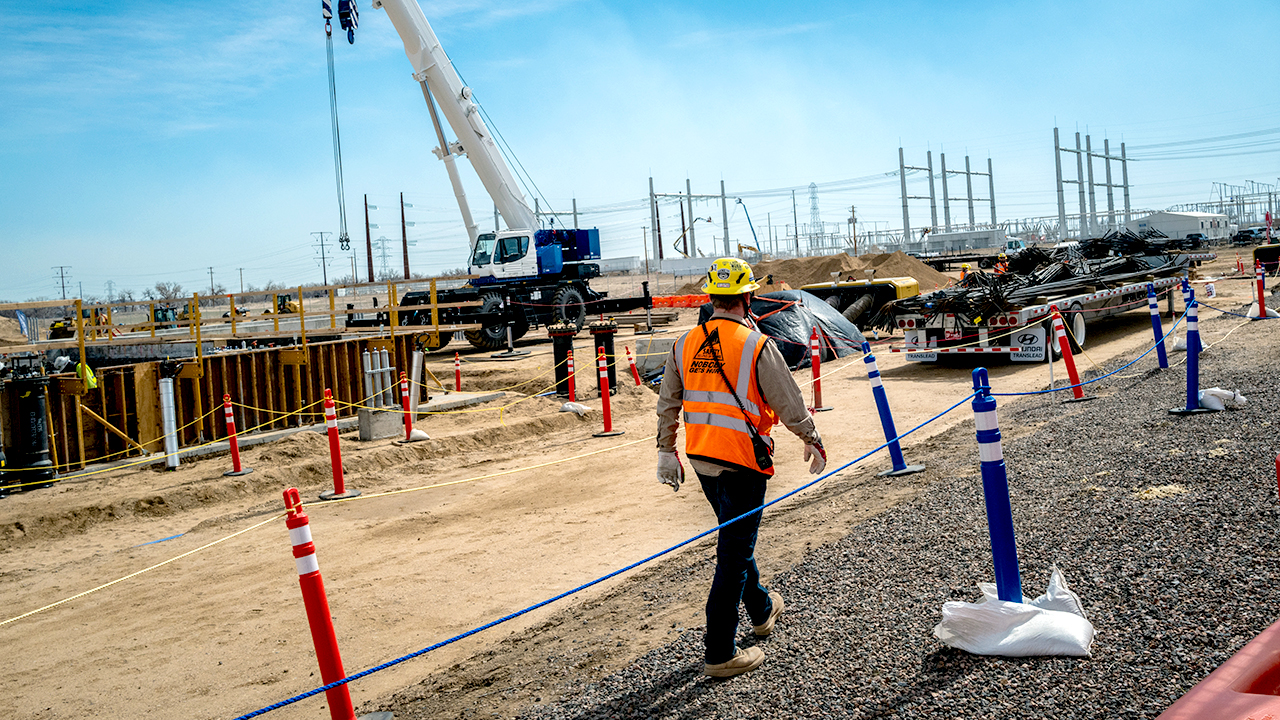
Image via Fox Business
July Jobs Go Negative: The Soft Landing Just Got A Hard Data Problem
The Labor Department’s July jobs report shows the U.S. economy unexpectedly shed jobs. After months of arguing about “resilient consumer” and “rebalancing labor,” the print is a clean message: the hiring engine is stalling.
This matters because the market has been living off a neat story: inflation cools, growth hangs in, and the Fed can glide into cuts without breaking anything. Job losses break that symmetry. Now you have a scenario where growth weakens faster than inflation falls, and the Fed gets boxed into reacting late.
Expect the knee-jerk: yields down, defensive equity sectors up, cyclicals down, and the dollar choppy depending on how fast traders price cuts. But watch credit. When job losses show up, spreads usually move next — and that’s where equity rallies go to die.
📈 Fred's Take: One negative jobs month doesn’t make a recession, but it changes the price of risk immediately. The Fed can talk patience, but the market will pull forward cuts anyway — which helps duration and hurts banks and value cyclicals. If you’re positioned for “Goldilocks,” you’re late; rotate toward quality balance sheets and treat high beta as a trade, not an investment.
📎 Fox Business
Image via MarketWatch
Memory Wobbles, But Micron Dodges The Worst: The Market’s Splitting Winners From Inventory
Memory-chip names sold off after investors didn’t like what they heard from Sandisk and Western Digital. The read-through is familiar: demand is uneven, pricing power is fragile, and the channel can get stuffed fast when buyers get cautious.
Micron fell too, but it avoided the full faceplant. That tells you the market is discriminating between companies with better product mix, better AI-related exposure, and a cleaner supply posture versus names that look more purely tied to consumer storage cycles.
The bigger issue is that semis aren’t one trade anymore. AI compute can be on fire while memory, storage, and handset-linked components still feel like old-cycle economics. In a weakening jobs backdrop, anything tied to discretionary upgrades gets repriced first.
📈 Fred's Take: This is the stock market reminding you it’s not a sector, it’s a ladder. If your thesis is “AI fixes everything,” memory is where that thesis gets stress-tested on pricing and inventories. I’d rather own the names with visible demand pull and capital discipline; the rest are trades that can drop 20% on one mediocre conference call.
📎 MarketWatch
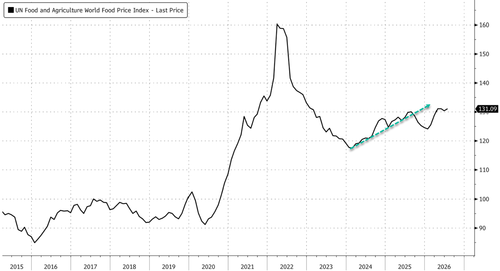
Image via ZeroHedge
Global Food Prices Hit A Three-Year High: The Next Inflation Wave Won’t Be Optional
Global food prices have pushed to a three-year high as war disruptions, chokepoint chaos, and El Nino effects collide. When shipping lanes snarl and weather hits crops, you don’t get a gentle adjustment — you get abrupt scarcity premiums that move faster than policymakers can spin.
Food inflation is politically toxic because it’s non-discretionary and visible. It hits lower-income consumers first, compresses real wages, and forces governments into reactive policies: subsidies, export restrictions, and price controls that often make the supply problem worse.
For markets, this is the part of inflation that’s hardest to “wait out.” It bleeds into expectations, wage demands, and social pressure — and it shows up in EM FX stress and higher risk premia in countries that import calories and fertilizer.
📈 Fred's Take: If food keeps climbing, the “inflation is solved” narrative is dead on arrival. This is bullish commodities, supportive for gold on real-wage stress, and quietly negative for broad consumer discretionary. It also raises the odds of policy mistakes — and policy mistakes are jet fuel for volatility.
📎 ZeroHedge
That’s the tape. Keep your head on swivel: labor is cracking, tariffs are inflationary, and food is the kind of inflation that votes.
— Fred Frost


No comments:
Post a Comment